
Predictive Defense for the Planet's Most Valuable Ecosystems

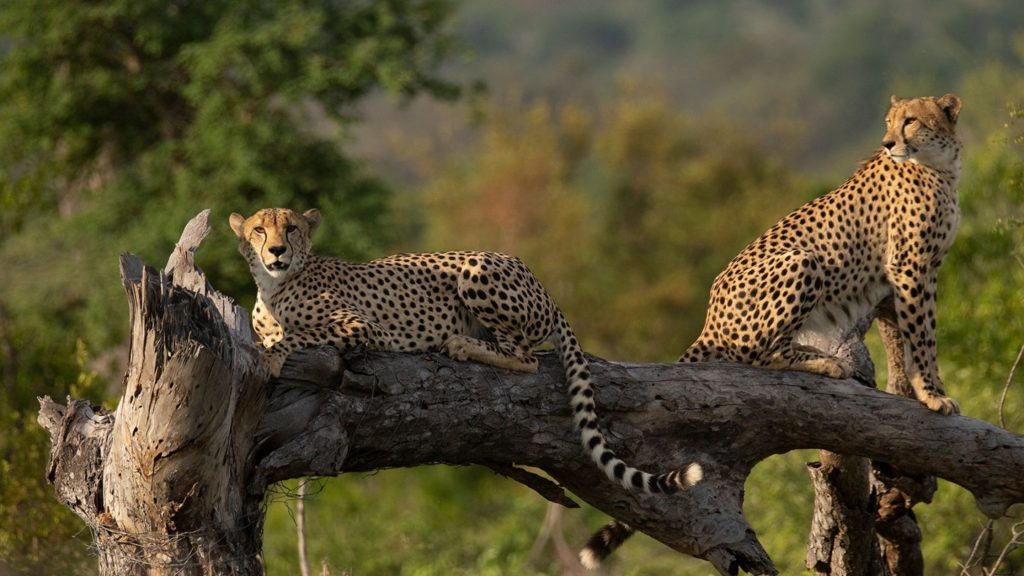
To build predictive, autonomous climate-defense systems that protect biodiversity hotspots and secure natural capital before irreversible loss occurs.
We integrate predictive AI, autonomous edge systems, and community-led technical capacity to protect biodiversity hotspots before loss occurs. Our mission is to convert fragmented conservation tools into measurable, climate-grade infrastructure that safeguards natural capital and strengthens ecosystem resilience.
We do not simply monitor threats.
We anticipate them.
Across the world's most critical ecosystems, conservation remains reactive. Illegal activity is detected after damage occurs. Carbon permanence is verified long after degradation. Technologies operate in silos. Communities are under-integrated into climate systems.
As climate finance scales and carbon markets expand, the permanence and security of natural assets are increasingly critical. Without predictive protection, biodiversity loss and ecosystem degradation expose both communities and climate investments to unacceptable risk. On Edge Safaris was built to close this gap.
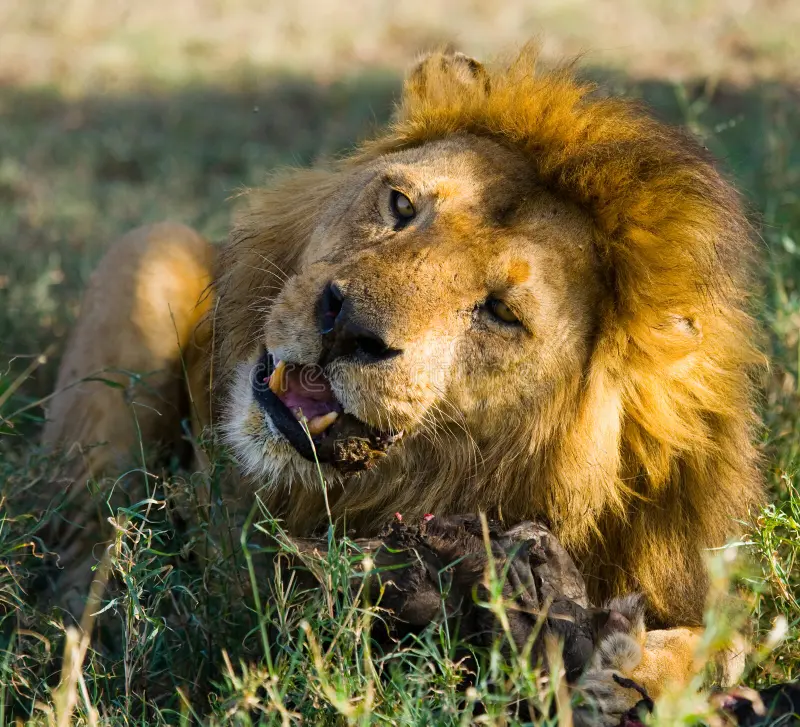
Our Model: Software + Infrastructure + Finance — Predictive AI platform, modular solar-powered edge hardware, climate-finance integration. Scalable across ecosystems.
Predictive AI Threat Modeling → Machine learning models forecast ecosystem risk before damage occurs, enabling proactive deployment.
Autonomous Edge Infrastructure → Solar-powered AI nodes operate in remote landscapes, detecting threats locally and triggering response even when connectivity fails.
Live Biodiversity Intelligence → Our Biodiversity Index integrates species trends, vegetation analytics, soil carbon data, and degradation risk into an investor-grade dashboard.
Eco-Tech Guardians → We train women as drone operators, sensor technicians, and data analysts, embedding local technical capacity into conservation infrastructure.
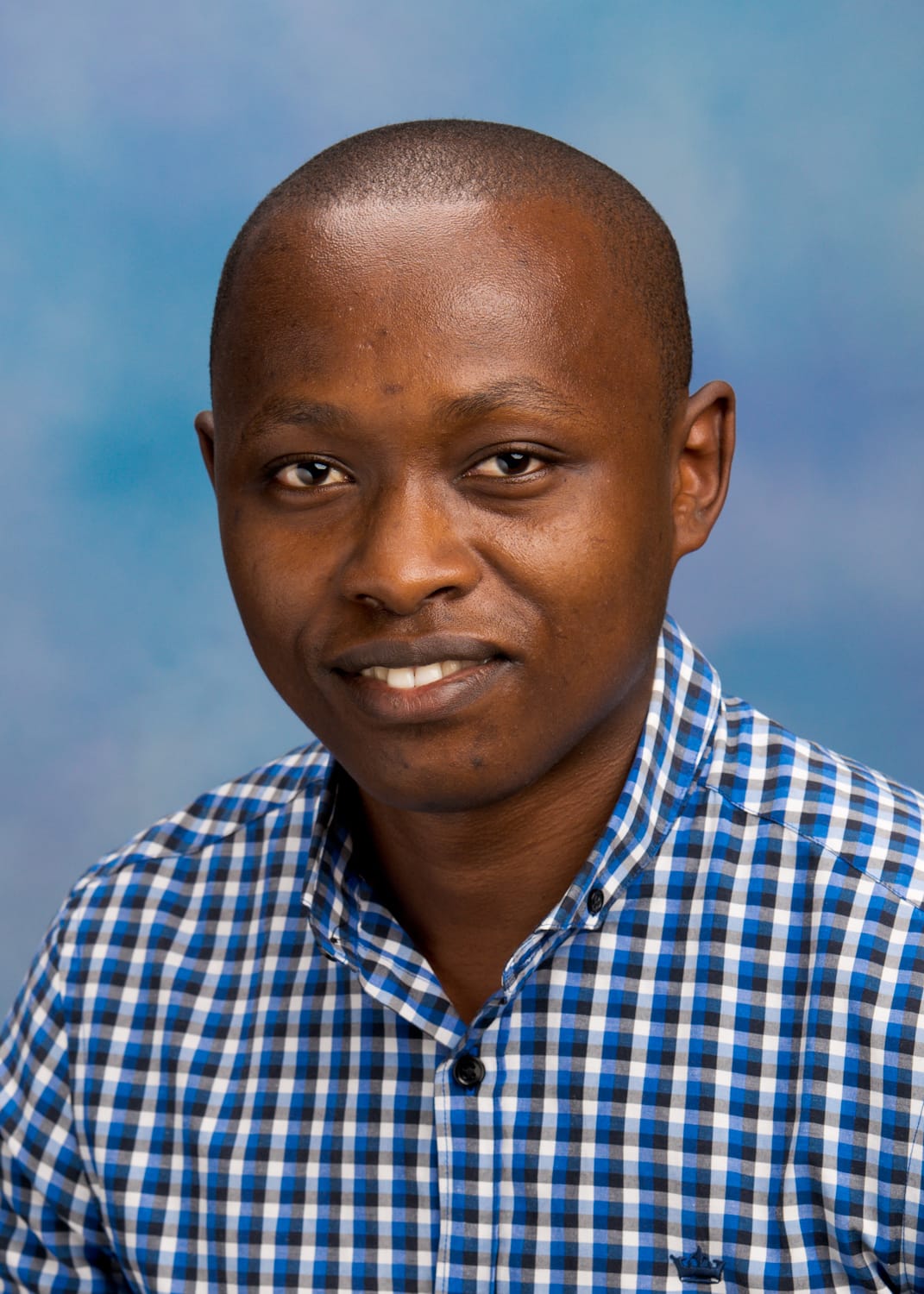
On Edge Safaris is led by Dysmus Kisilu, a renewable energy specialist trained at University of California, Davis. For over a decade, Dysmus has worked with smallholder farmers living adjacent to wildlife corridors, deploying solar-powered post-harvest solutions that increased incomes by up to 150% while reducing human-wildlife conflict.
Core team includes: AI/ML Engineers, IoT Systems Engineers, Solar Technicians, Geospatial Specialists, PhD Environmental Scientist, Community Engagement Leads.


We protect more than wildlife. By reducing degradation and stabilizing ecosystems, we safeguard natural carbon sinks, water systems, and biodiversity assets that regulate global climate systems. Our work strengthens carbon permanence, enhances ecosystem resilience, and supports climate-finance transparency. We see protected areas not as static landscapes — but as climate assets that require predictive defense.
Current deployments in Kenya: Landscapes adjacent to Tsavo National Park, rhino conservancies, elephant migration corridors.
Our model is designed for replication across climate-vulnerable biodiversity corridors globally.
Protecting biodiversity hotspots through predictive intelligence and autonomous systems
Empowering communities as climate stewards
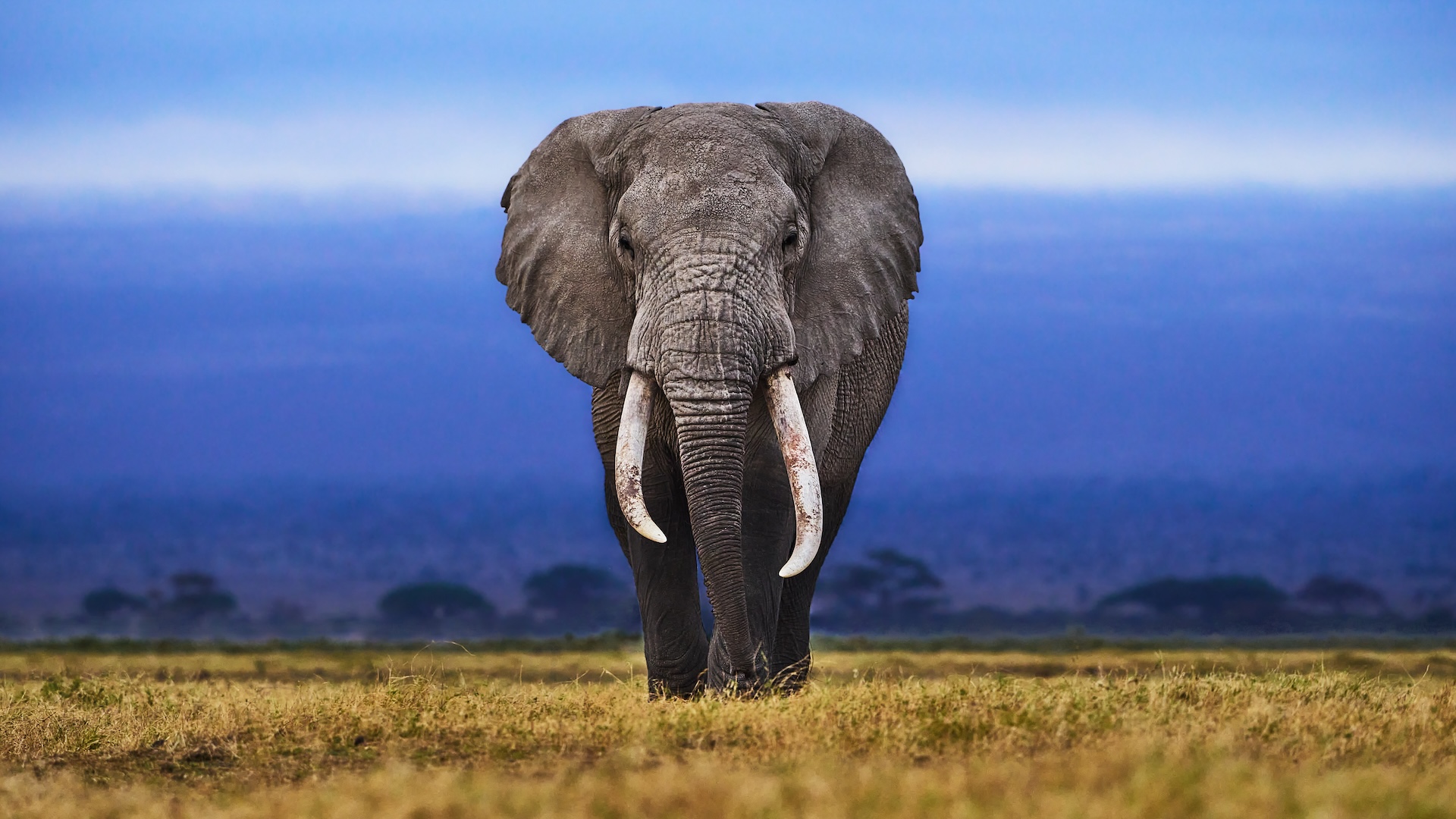
Vision 2030: Protect 1,000,000 km² of biodiversity hotspots using predictive climate-defense systems.A world where biodiversity hotspots are protected through predictive intelligence, autonomous systems, and inclusive climate infrastructure.
